

MIRRI approved by the European Commission as a Consortium for a European Research Infrastructure
-
Topics
Science International Research
-
Share


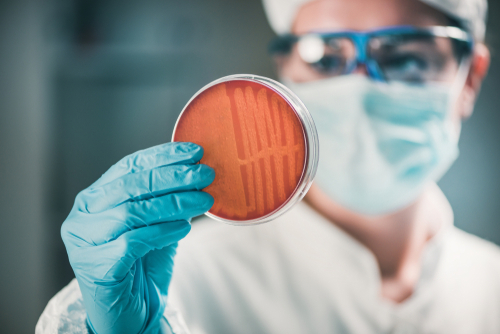
Portugal will coordinate the Microbial Resources Research Infrastructure – European Research Infrastructure Consortium (MIcrobial Resources Research Infrastructure (MIRRI) – European Research Infrastructure Consortium (ERIC)), which will be the first European research infrastructure based in Portugal, located at the University of Minho. The decision was published in the Official Journal of the European Union on July 13, 2022, and resulted from the European Commission's approval of the application led by Portugal, in collaboration with Spain, and with the participation of France, Belgium, and Latvia, to establish the legal entity of this European research infrastructure in our country.
This European infrastructure will include "national nodes" in each member country, with the "Portuguese Node" being the national infrastructure "Pt-mBRCN/MIRRI-PT," integrated into the National Roadmap for Research Infrastructures.
MIRRI-ERIC will be established as a distributed and certified repository of microorganism collections, aiming to ensure access to a wide range of high-quality biological resources and data through an easily searchable database that is interoperable with other databases (e.g., DNA, proteins, metabolites, etc.). This European infrastructure also aims to promote the introduction of good practices and a global microbial resource exchange system that strictly complies with all legal procedures and the Nagoya Protocol, facilitating access to and use of global genetic resources.
MIRRI-ERIC is a strategic infrastructure supporting areas of interest to Portugal, namely: health, clinical and translational research; agri-food, forests, and biodiversity; and the sea. It will serve as a repository for the biodiversity of marine microorganisms of interest to the agri-food industry and the health sector, enabling their use for research and exploitation for economic purposes, thereby stimulating the productive fabric based on biotechnology industries.