

International Day of Women and Girls in Science
-
Topics
Research Awards
-
Share


There are four names to keep in mind in science in Portugal. They are four women who are now "ambassadors" for national research. On this International Day of Women and Girls in Science, we remember the examples set by researchers Ana Rita Lopes, Céline Gonçalves, Paola Alberte, and Patrícia Henriques, winners of the 21st edition of the L'Óreal Portugal Medals of Honor for Women in Science.
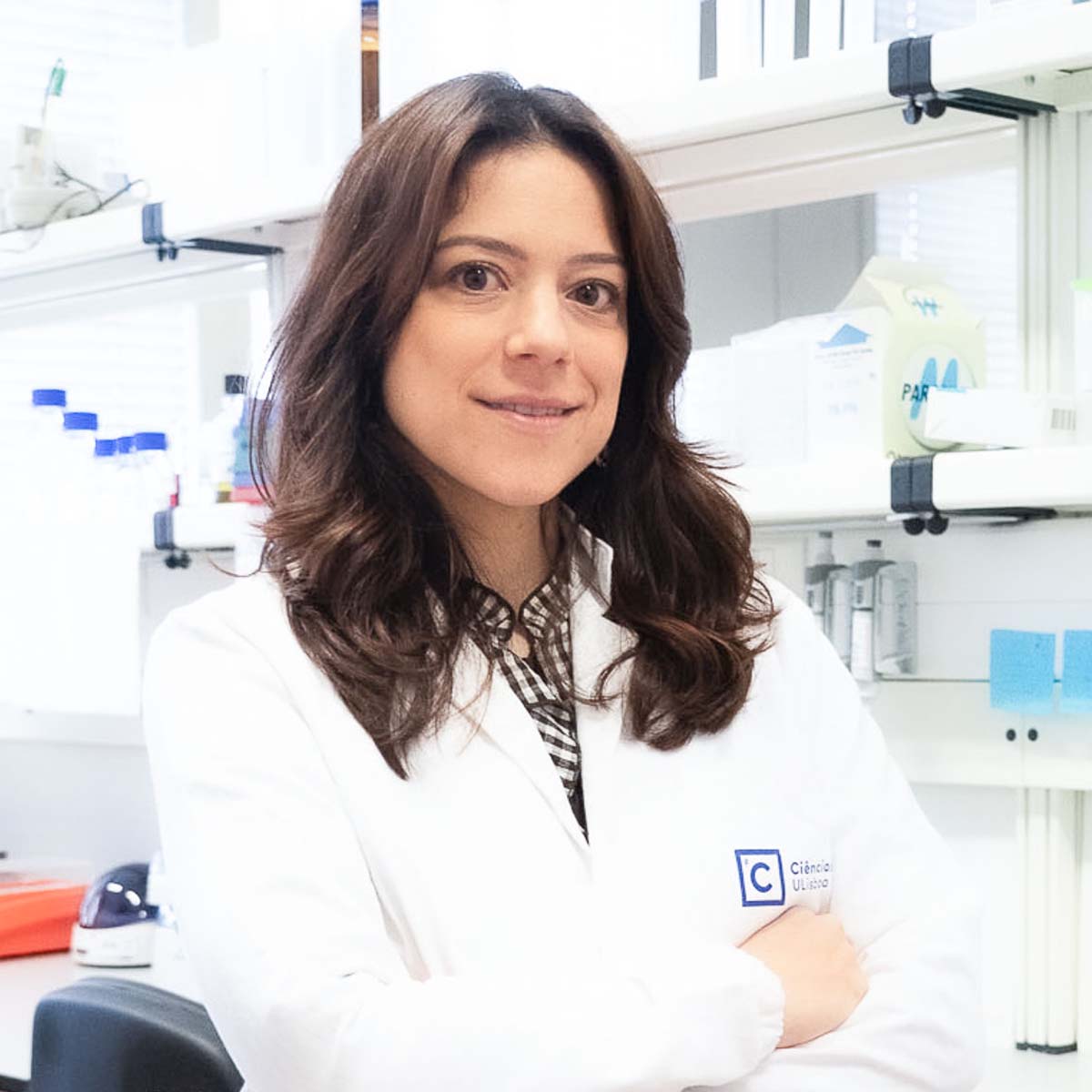 Ana Rita Lopes
We begin with Ana Rita Lopes, born in Leiria and a researcher at MARE – Faculty of Sciences, University of Lisbon. From the outset, she has dedicated her research career to studying issues such as pollution and climate pressures. The award was won as a result of her search for an answer to the question: "How do ocean warming and pollution affect the cooperative relationships that naturally exist between anemones and fish and marine invertebrates?"
The aim of the research is to understand the extent to which the mutualistic relationships that unite different marine organisms hold up when confronted with two factors that are increasingly present in the ocean: climate change and pollution by contaminants, including human pharmaceutical residues detected in water.
Throughout her scientific career, Ana Rita Lopes has devoted herself to analyzing how pollution and ocean warming and acidification influence the physiology and behavior of various fish species, observing aspects as diverse as reproductive success and the ability to escape predators.
Ana Rita Lopes is 36 years old, married, and the mother of two very young children, which makes balancing family life and her scientific career even more demanding. Despite the progress Portugal has made in promoting gender equality, Rita recognizes that there are still clear inequalities, especially in leadership positions. She speaks of "invisible barriers" that persist: from the added weight of family responsibilities, which continue to fall mainly on women, to the way scientific performance is evaluated, with metrics that rarely accommodate breaks or demands associated with motherhood.
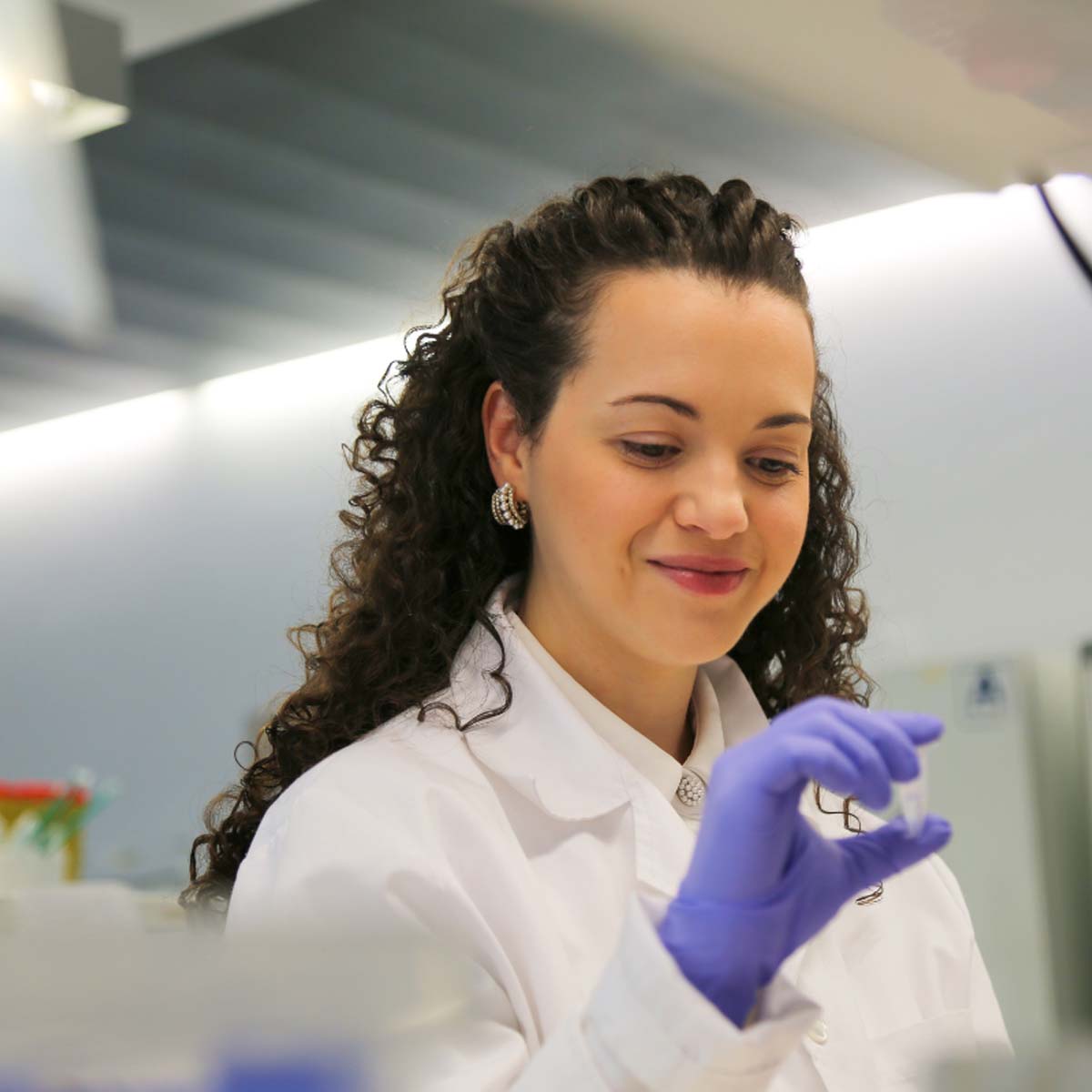 Celine Goncalves
Another inspiring example is that of Céline Gonçalves. After the sea, we move on to the brain, and one of the most challenging questions in neuro-oncology: is it possible to detect glioblastoma, the most aggressive malignant brain tumor in adults, through a simple blood test? At the Institute for Research in Life Sciences and Health (ICVS) at the University of Minho in Braga, Céline Gonçalves seeks answers in small vesicles released by cells, including tumor cells, each carrying clues about their status: a kind of molecular message that circulates discreetly in the blood.
What Céline Gonçalves wants to do is identify the glioblastoma's own "signature": a unique combination of molecules that allows the tumor to be recognized without a doubt. To do this, she will compare the vesicles present in tumors with those circulating in the blood of people with glioblastoma.
Céline Gonçalves, researcher and professor at ICVS, has a PhD in Health Sciences and is the mother of an eight-month-old baby. She acknowledges that motherhood remains a challenge in scientific careers, especially when the pace of projects and publications does not slow down. She points out that, from an early age, women continue to face gender stereotypes that shape opportunities and perceptions in academia.
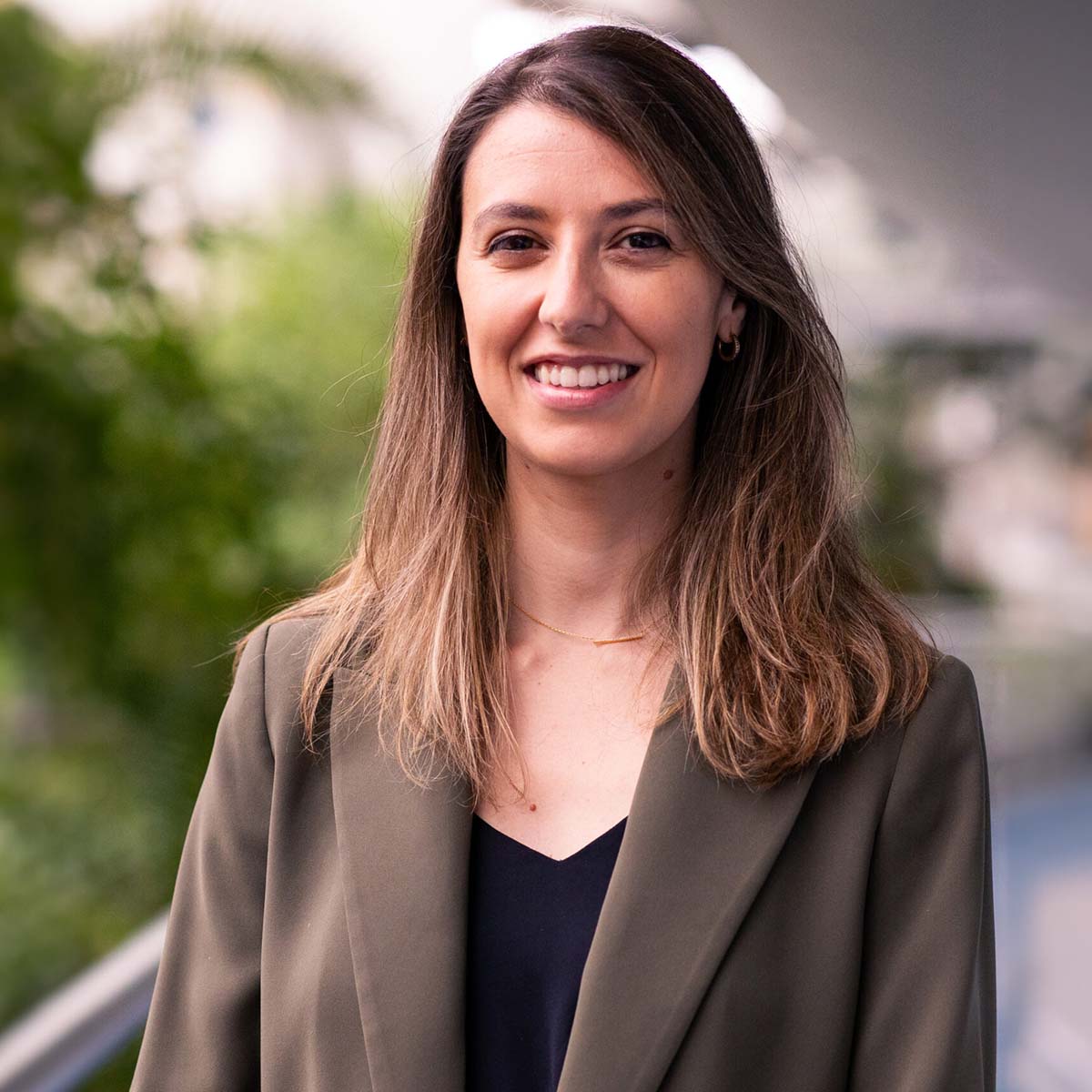 Paola Alberte
From Braga we move on to Lisbon, but with a Galician accent, to meet Paola Alberte, a researcher at iBB, Instituto Superior Técnico, University of Lisbon, who wants to use electricity, but on an almost unimaginable scale: to stop the growth of tumors. All the cells in our body communicate through bioelectrical activity; in cancer cells, this activity shows abnormal patterns that favor multiplication and invasion. Paola Alberte believes it is possible to "turn off" these abnormal signals and thus stop the advance of cancer.
Paola Alberte's work focuses on the development of nanobioelectronic systems that can be activated from outside the body using ultrasound: an approach that is as futuristic as it is promising. Tests with breast cancer cells have already shown that one of these systems reduced tumor growth and induced the death of diseased cells, while keeping healthy cells intact. Trials in animal models have also confirmed a reduction in tumor size.
These promising results paved the way for the now distinguished WireCan project, which aims to extend this technology to different types of tumors, including glioblastoma, one of the most aggressive. The ambition does not stop there: the team also wants to test applications in diseases such as Parkinson's, in collaboration with national and international partners.
Paola Alberte, who holds a PhD in Pharmacy from the University of Nottingham and is now a researcher at the Instituto Superior Técnico, emphasizes that the female perspective adds balance to teams. Although she has never felt any direct barriers due to being a woman, she recognizes that many female researchers face additional obstacles, mainly due to the greater burden associated with family life. She points out that the number of women with PhDs is still not reflected in top positions.
 Patricia Henriques
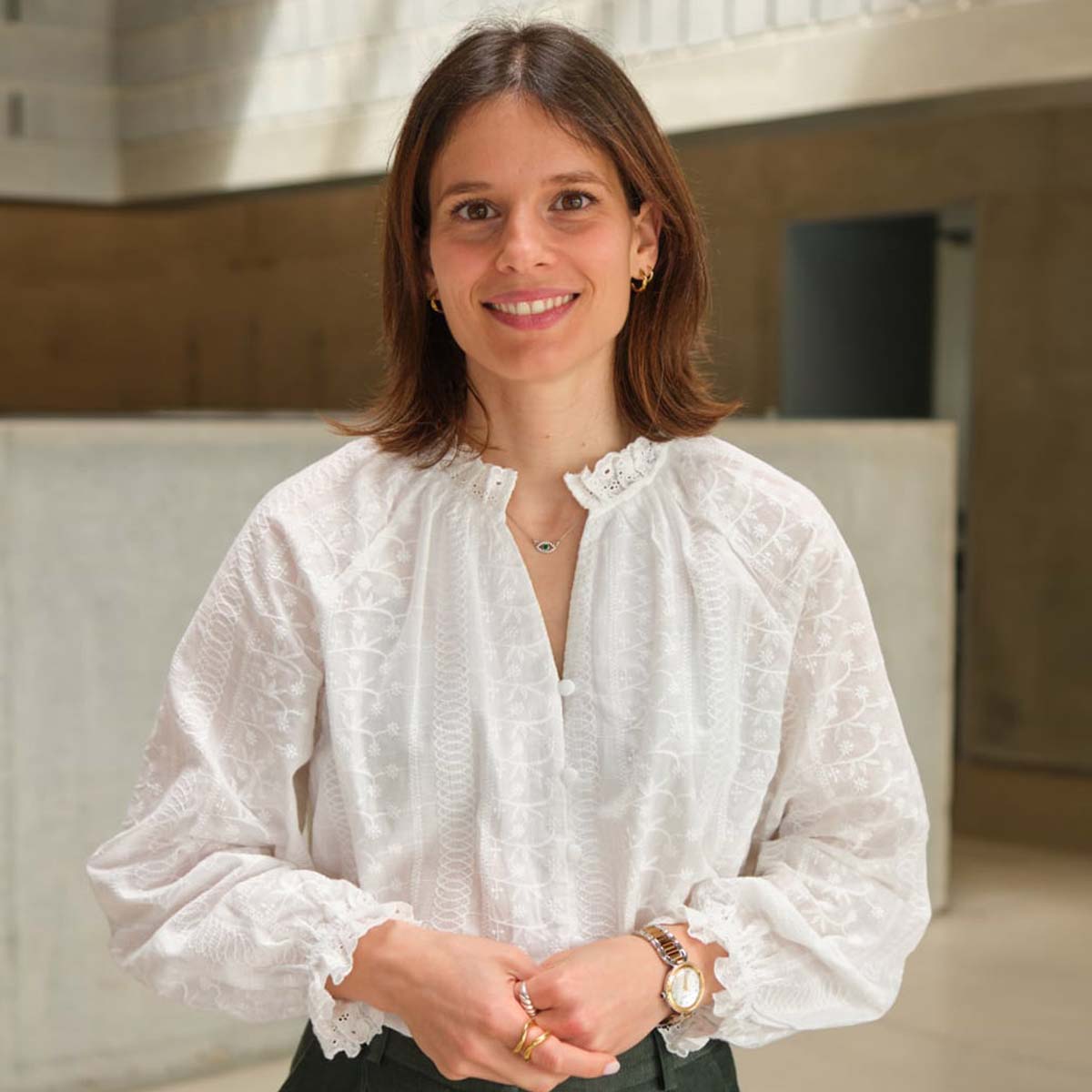
The last example we present to mark this International Day of Women and Girls in Science is in Porto. Patrícia Henriques is a researcher at i3S, University of Porto, and co-founder of the start-up GOTECH Antimicrobial, which is transforming a simple idea—preventing infections in catheters used in hemodialysis—into a solution with revolutionary potential for millions of people. The device she is developing, GOcap®, combines near-infrared light with graphene oxide to disinfect the inside of catheters safely, effectively, and without the use of antibiotics. It is an innovative approach with a positive environmental impact, as GOcap® is reusable and aims to reduce plastic waste.
But there is more: although the antimicrobial potential of light-activated graphene is well known, its mechanisms of action are not yet fully understood. Patrícia Henriques wants to deepen this knowledge and assess, for example, whether there is a risk of developing bacterial resistance. At the same time, she is preparing all the necessary steps to take the technology from the laboratories to hospitals: from optimizing the prototype to clinical validation trials, including a robust business plan. The ultimate goal of her work is clear: to reduce infections, save lives, and offer a sustainable and effective alternative to traditional disinfection strategies.
Patrícia Henriques, PhD in Biomedical Engineering from the Faculty of Engineering at the University of Porto, points out that women continue to face increased challenges in the transition from research to technological entrepreneurship. Issues such as raising funds, establishing partnerships, or gaining the trust of stakeholders are often still conditioned by an ecosystem dominated by predominantly male profiles.
These are four names from the world of science in Portugal, demonstrating that talent and dedication know no gender barriers. In celebration of International Day of Women and Girls in Science, we thank them for their testimony and the work they do every day, which will certainly continue to be distinguished in the national and international research landscape.