

Pesquisadores identificam um novo alvo para combater a doença de Huntington
-
Topics
Uncategorized
-
Share


(Versão em português disponível em breve)
A team of researchers from CEDOC – FCM UNL (Center for the Study of Chronic Diseases, Faculty of Medical Sciences, New University of Lisbon) conducted a study indicating that high sugar levels in the body accelerate the effects of neurodegenerative diseases, such as Huntington's disease.
Previous studies pointed to hyperglycemia, present in diabetic patients, as an accelerator of the degradation of nerve cells in the brain, due to the action of protein glycation. Glycation is a negative and toxic reaction that high levels of glucose promote in the body. It occurs when carbohydrates bind to proteins, causing changes that affect the proper functioning of cells. For this reason, diabetics are more predisposed to developing neurodegenerative diseases and, consequently, suffer irreversible organic damage.
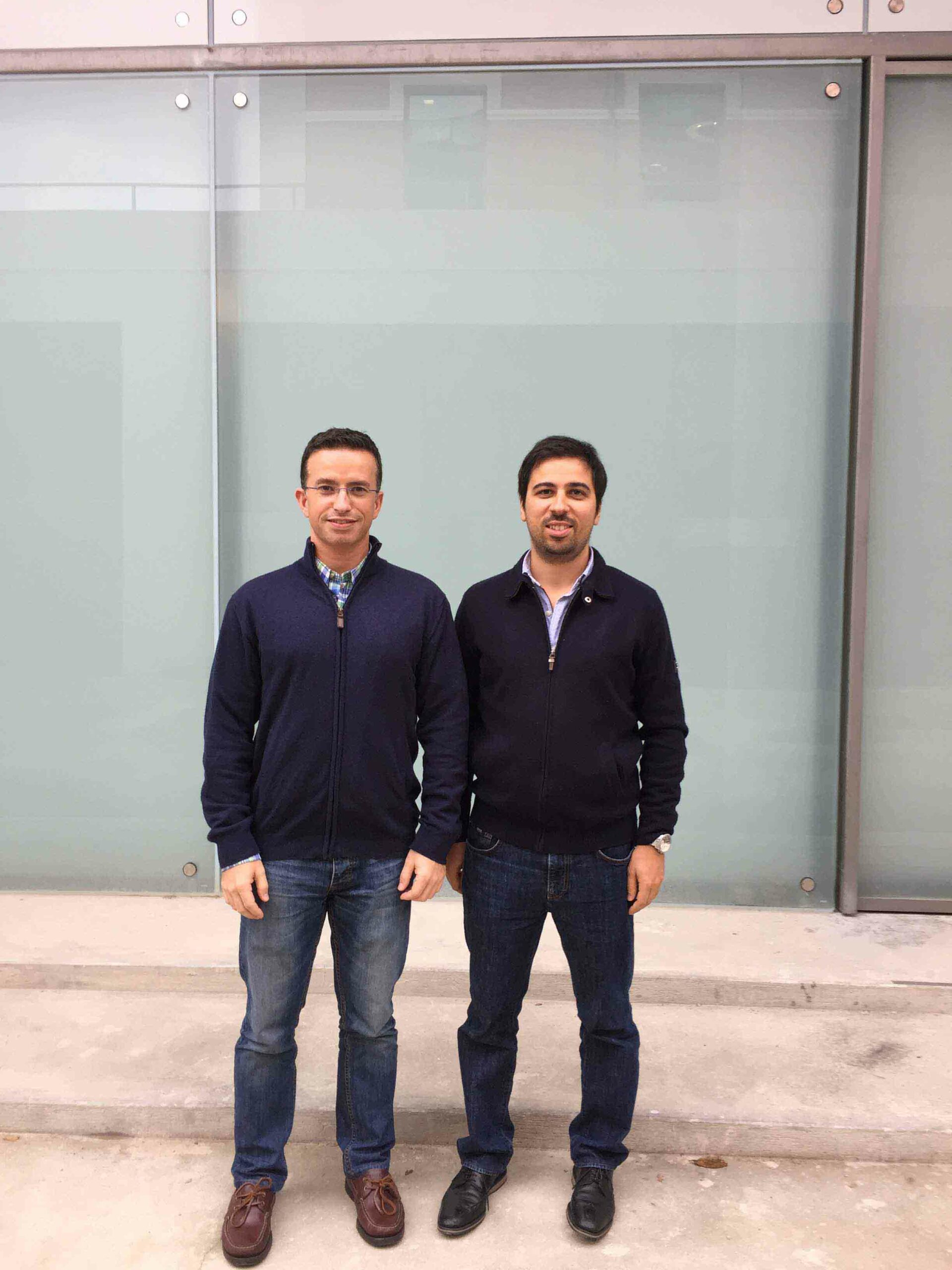
Using Huntington's disease, a rare neurodegenerative disorder that affects patients' cognitive and motor skills, as a model, researchers Tiago Outeiro and Hugo Miranda decided to study the effects of huntingtin protein glycation in the brain. By manipulating the levels of metabolized sugar in human cells and yeast, the scientists caused protein glycation and observed an increase in the accumulation of huntingtin protein, which led to its aggregation and accelerated the destruction of nerve cells.

The researchers also conducted in vivo studies on fruit flies. In this case, genetic manipulation made it possible to link the effects of glycation with neurogenesis in flies and a reduction in their lifespan.
The researchers therefore concluded that "factors that are very common in the population, such as hyperglycemia, which is prevalent in prediabetics and diabetics, thus have a direct effect on specific diseases, such as Huntington's disease, causing it to manifest early,"as stated in the NOVA Medical School Press Release.
Since Huntington's disease is associated with protein aggregation, the results of this research pave the way for studying glycation as a new target for this pathology.
The study was funded by FCT through Studentships doctoral and postdoctoral Studentships and the FCT Researcher program.
Principal investigator: Tiago Outeiro from the Cell and Molecular Neuroscience Lab
Original article (Nature)“Glycation potentiates neurodegeneration in models of Huntington’s disease”