

Cross-cutting success for Portugal in European Research Council funding
-
Topics
Uncategorized
-
Share


With a set of results yet to be announced, the number of Studentships secured by researchers in Portugal in 2015 is ten: 4 Starting Grants (for researchers with two to seven years of postdoctoral experience); 3 Consolidator Grants (for researchers with more than seven years of experience after obtaining their PhD) and 3 Proof of Concept Grants (for ERC-funded researchers who wish to bring their results to market or address social challenges).
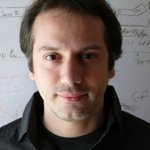
José Bessa, who leads a team at I3S (Institute for Research and Innovation in Health, University of Porto), was the fourth scientist to be awarded a prestigious ERC Starting Grant, a Studentship €1.5 million. In his words, "the ERC Starting Grant will enable us to develop a five-year research project at the highest level, using cutting-edge technology and a team of highly specialized and dedicated scientists," which will seek to identify how DNA sequences that do not encode genes contribute to pancreatic diseases, particularly diabetes. Through the study of zebrafish, José Bessa aims to identify and test new sequences associated with diabetes, without resorting to patients. However, the results of this team's research will have a strong impact on the treatment of diabetes in humans, through the identification of potential new therapeutic targets.


Edgar Gomes (Institute of Molecular Medicine, University of Lisbon), Rui Costa (Champalimaud Neuroscience Program) and António Jacinto (Center for Chronic Disease Studies, New University of Lisbon), having already received funding from the ERC, recently secured funding to explore the innovative potential of their research. They obtained Proof of Concept Grants, worth €150,000 each, which will enable them to develop prototypes and explore the therapeutic potential of drugs, with the aim of transferring the results of their work to industry.
Edgar Gomes will use the Proof of Concept Grant to commercially implement the prototype of the three-dimensional cell system developed in his laboratory, which mimics certain muscle diseases. The goal is for this prototype to be used in any laboratory in the world to test new drugs for the treatment of these debilitating diseases.
Rui Costa is also investing in the construction of a prototype, in this case a portable brain-machine interface, which can be adapted to different types of equipment for use in healthcare, but also in entertainment and to assist with everyday tasks.
António Jacinto, in partnership with the start-up company Thelial, proposes to test the drugs that the company has developed for the treatment of Leaky Gut syndrome and other pathologies that compromise the lining of organs.


These Studentships, announced by the ERC in January, follow the 3 Consolidator Grants announced at the end of 2015, worth around €2 million each. Marina Costa Lobo (Institute of Social Sciences, University of Lisbon) stands out among those selected by the ERC in 2015 because her research is in the field of social sciences. Her Consolidator Grant will enable her to further study the impact of the theme of "Europe" on parliamentary elections held in various countries since the beginning of the crisis in the Eurozone.
Mónica Dias will continue her research on the role of centrioles (small cell structures) in cell division, cell movement, and communication with neighboring cells, with an impact on understanding disorders of the nervous system, cancer, and infertility.
Hélder Maiato seeks to understand the mechanisms that control the process by which chromosomes separate during cell division, known as mitosis. Errors in this strictly controlled process lead to aneuploidy—cells with more or fewer chromosomes than they should have—a phenomenon prevalent in tumor cells.
Monica Bettencourt Dias, Rui Costa, Edgar Gomes, and José Bessa were selected for the FCT Researcher Program in 2012 and 2013.
(Image credits: I3S – Institute for Research and Innovation in Health; Institute of Molecular Medicine; Center for Chronic Disease Studies; Institute of Social Sciences; Gulbenkian Institute of Science, Álvaro Isidoro)